Why Inclusion Matters in Today’s World
Inclusion has become one of the most important values in today’s modern world. As our communities, workplaces, schools, and online spaces continue to grow more connected, people from all different backgrounds and experiences interact with one another every day. Because of this, creating spaces where everyone feels welcomed, respected, and valued matters more than ever.
At its heart, inclusion is about making people feel like they belong. It means recognizing that every person brings something meaningful to the table, whether it’s a different perspective, life experience, culture, ability, or personality. When people feel included, they are more comfortable being themselves, sharing ideas, and building genuine connections with others.
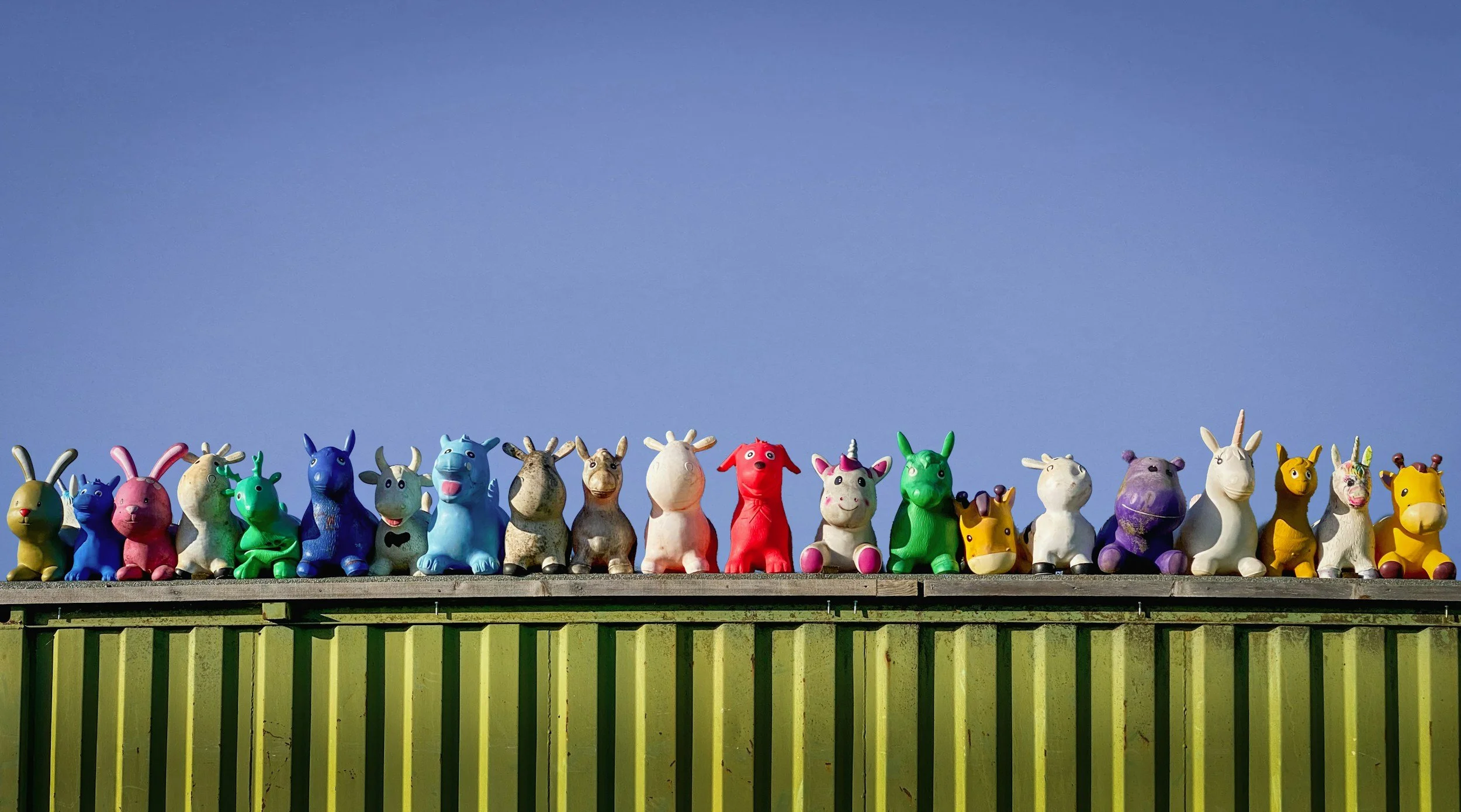
Inclusion also has a powerful impact on emotional well-being. Everyone wants to feel seen and accepted. Something as simple as kindness, understanding, or making room for someone’s voice can completely change how they experience a workplace, classroom, or community. Inclusive environments help people feel safer, more confident, and more supported, especially during difficult moments in life.
In workplaces and creative spaces, inclusion encourages innovation and growth. When people with different perspectives come together, they often bring fresh ideas and new ways of thinking. Teams become stronger when everyone feels comfortable contributing rather than feeling overlooked or unheard. Inclusion helps create collaboration instead of competition and understanding instead of division.
The modern world also gives us more opportunities than ever to learn from one another. Through technology and social media, we are constantly exposed to people with different stories and experiences. While differences can sometimes feel unfamiliar, they also create opportunities for empathy, compassion, and personal growth. Listening to others with openness and respect helps build stronger relationships and healthier communities.
It’s important to remember that inclusion doesn’t require perfection. Small actions often make the biggest difference. Welcoming someone, respecting differences, using thoughtful language, supporting accessibility, and showing compassion can all help create spaces where people feel valued and appreciated.
Inclusion is not about making everyone the same — it’s about recognizing that our differences are part of what makes the world meaningful and strong. When people feel accepted for who they are, communities become kinder, workplaces become more supportive, and relationships become more genuine.
In a world that can sometimes feel divided or overwhelming, choosing inclusion is a simple but powerful way to create more understanding, connection, and humanity for everyone.