The Meaning Behind Recovery Symbols: Small Reminders of Strength, Hope, and Healing

Have you ever looked at a simple symbol and instantly felt connected to it?
Maybe it's a butterfly that reminds you of how much you've grown. Maybe it's an anchor that helps you feel grounded during difficult times. Or maybe it's a simple phrase like "One Day at a Time" that encourages you to focus on the present moment instead of worrying about everything ahead.
As humans, we've always used symbols to tell stories, express emotions, and connect with one another. Long before smartphones, social media, and even written language, symbols helped people communicate ideas that were bigger than words.
Today, symbols continue to play an important role in our lives. For many people in recovery, they can serve as quiet reminders of hope, resilience, progress, and the strength it takes to keep moving forward.
Why Are Symbols Important to Us?
Think about some of the symbols you see every day.
A wedding ring symbolizes commitment. A heart often symbolizes love. A national flag can represent pride and belonging.
Symbols matter because they help us attach meaning to experiences, emotions, and beliefs. They can communicate something deeply personal without requiring a single word.
Sometimes a symbol reminds us of where we've been.
Sometimes it reminds us of where we're going.
And sometimes it simply reminds us to keep going.
Why Are Symbols So Effective?
They Create Emotional Connections
One of the reasons symbols are so powerful is because they connect directly to our emotions.
A person might see a butterfly and remember how far they've come in their recovery journey. Another person might see an anchor and feel a sense of stability during a challenging season of life.
The symbol itself is simple, but the meaning behind it can be incredibly powerful.
They Speak a Universal Language
Symbols often communicate ideas that people can understand regardless of age, background, or language.
A rising phoenix, a butterfly, or a semicolon can instantly convey a message of hope and perseverance to someone who recognizes its meaning.
They Help Us Feel Connected
Humans naturally want to belong.
Recovery can sometimes feel lonely, especially in the beginning. Symbols can help people feel connected to a larger community of individuals who understand the challenges and victories that come with healing.
Sometimes seeing a familiar symbol on a bracelet, shirt, tattoo, or keychain can be a reminder that you're not walking this path alone.
They Simplify Big Ideas
Recovery is a complex journey filled with emotions, setbacks, victories, growth, and learning.
A symbol can capture all of that in a simple image that you can carry with you every day.
That's part of what makes them so special.
Why Recovery Symbols Matter
Recovery isn't just about overcoming challenges. It's also about discovering strength you may not have known you had.
It's about growth.
It's about hope.
It's about choosing to keep going, even when things feel difficult.
Recovery symbols can serve as daily reminders of those truths. They can help us celebrate progress, honor our journey, and stay focused on the life we're building.
For some people, that reminder comes in the form of jewelry. For others, it might be artwork, tattoos, journals, keychains, or meaningful gifts.
Whatever form they take, these symbols often carry deeply personal meaning.
Common Recovery Symbols and What They Represent

Butterfly
The butterfly is one of the most beloved symbols of transformation.
Just as a caterpillar changes into something entirely new, recovery often involves growth, healing, and personal transformation.
The butterfly symbolizes:
Transformation
New beginnings
Growth
Freedom
Hope
Semicolon
The semicolon has become a powerful symbol for mental health awareness, recovery, and perseverance.
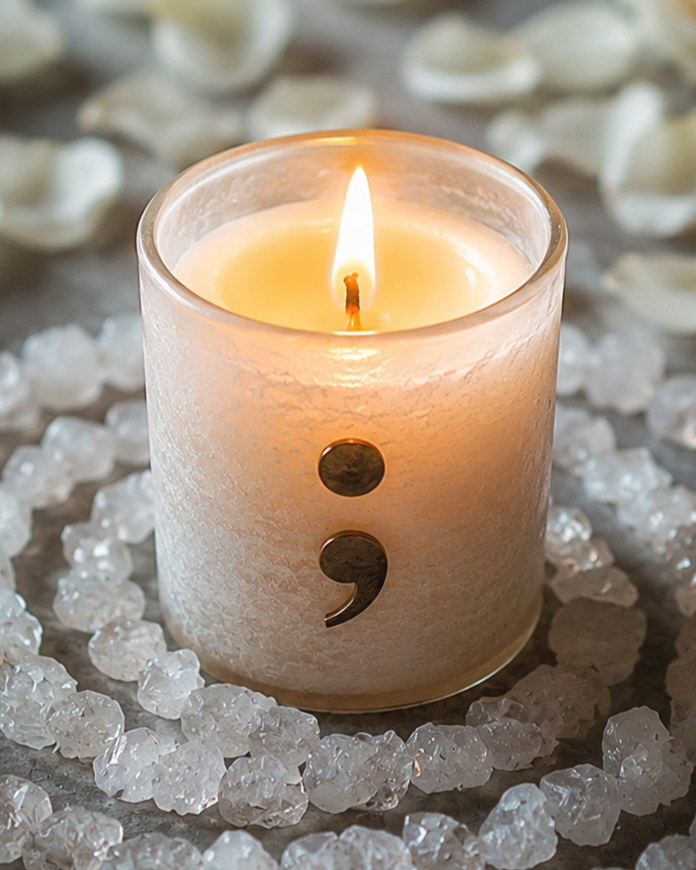
In writing, a semicolon represents a pause where a sentence could have ended but didn't.
For many people, it symbolizes choosing to continue their story.
The semicolon represents:
Strength
Survival
Hope
Perseverance
Continuing forward
Phoenix

The phoenix is a mythical bird known for rising from its own ashes.
For many people, it represents the ability to overcome difficult circumstances and emerge stronger than before.
The phoenix symbolizes:
Rebirth
Renewal
Resilience
Courage
Transformation
Circle and Triangle (AA Symbol)
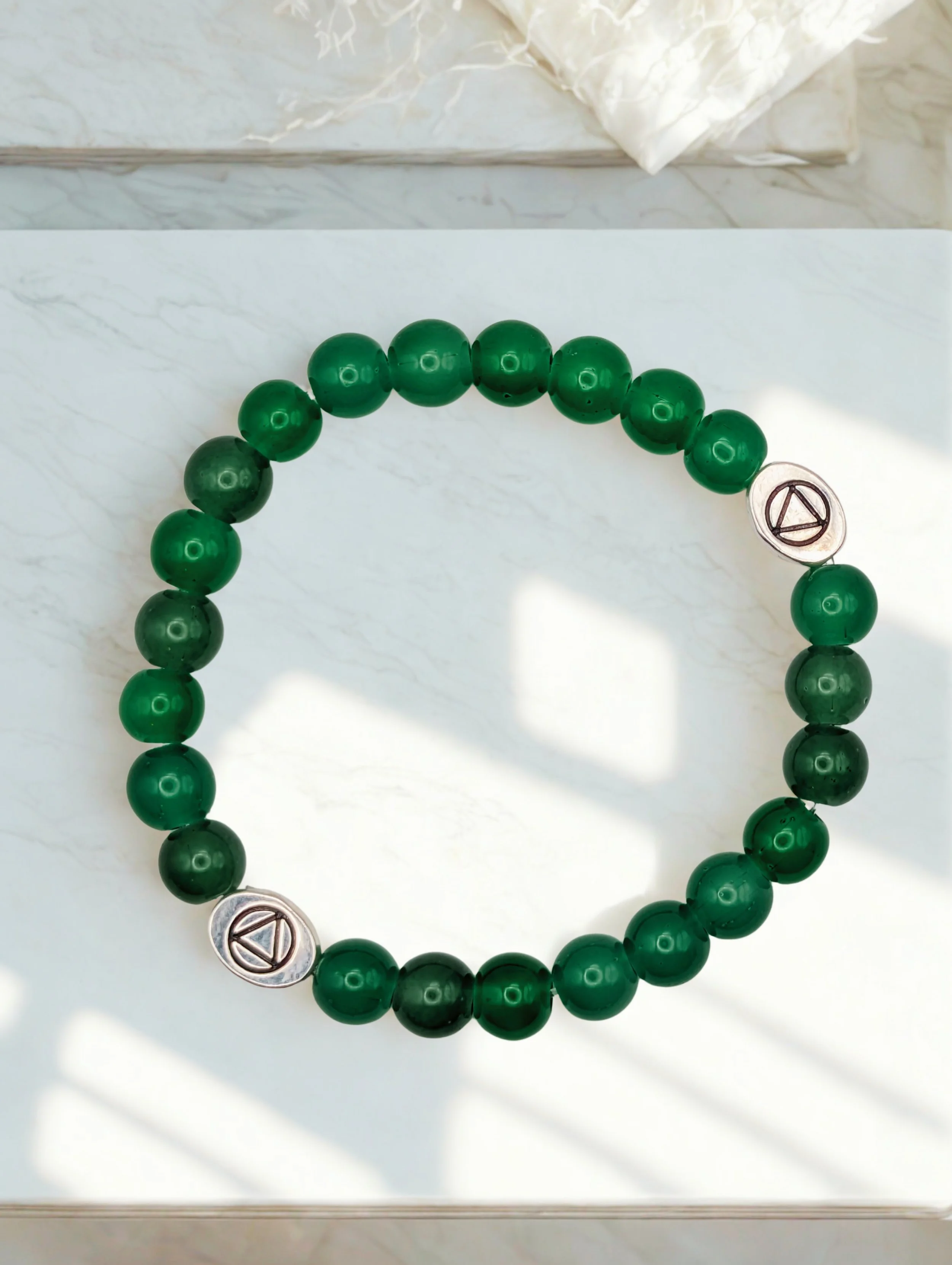
The Alcoholics Anonymous symbol combines a triangle within a circle.
Traditionally, the triangle represents unity, recovery, and service, while the circle represents wholeness and fellowship.
Together, they symbolize:
Recovery
Community
Balance
Support
Unity
Circle and Square (NA Symbol)
The Narcotics Anonymous symbol represents a balanced life built on a strong foundation.
It reminds members that recovery is about growth, stability, and connection.
It symbolizes:
Stability
Personal growth
Recovery
Structure
Fellowship
2% Symbol
The 2% symbol is often used within recovery communities to represent the courage and commitment it takes to actively pursue recovery and personal growth.
It can serve as a reminder that choosing recovery is an incredible accomplishment.
It symbolizes:
Determination
Commitment
Strength
Growth
Personal responsibility
Anchor
Anchors have long been associated with stability and hope.
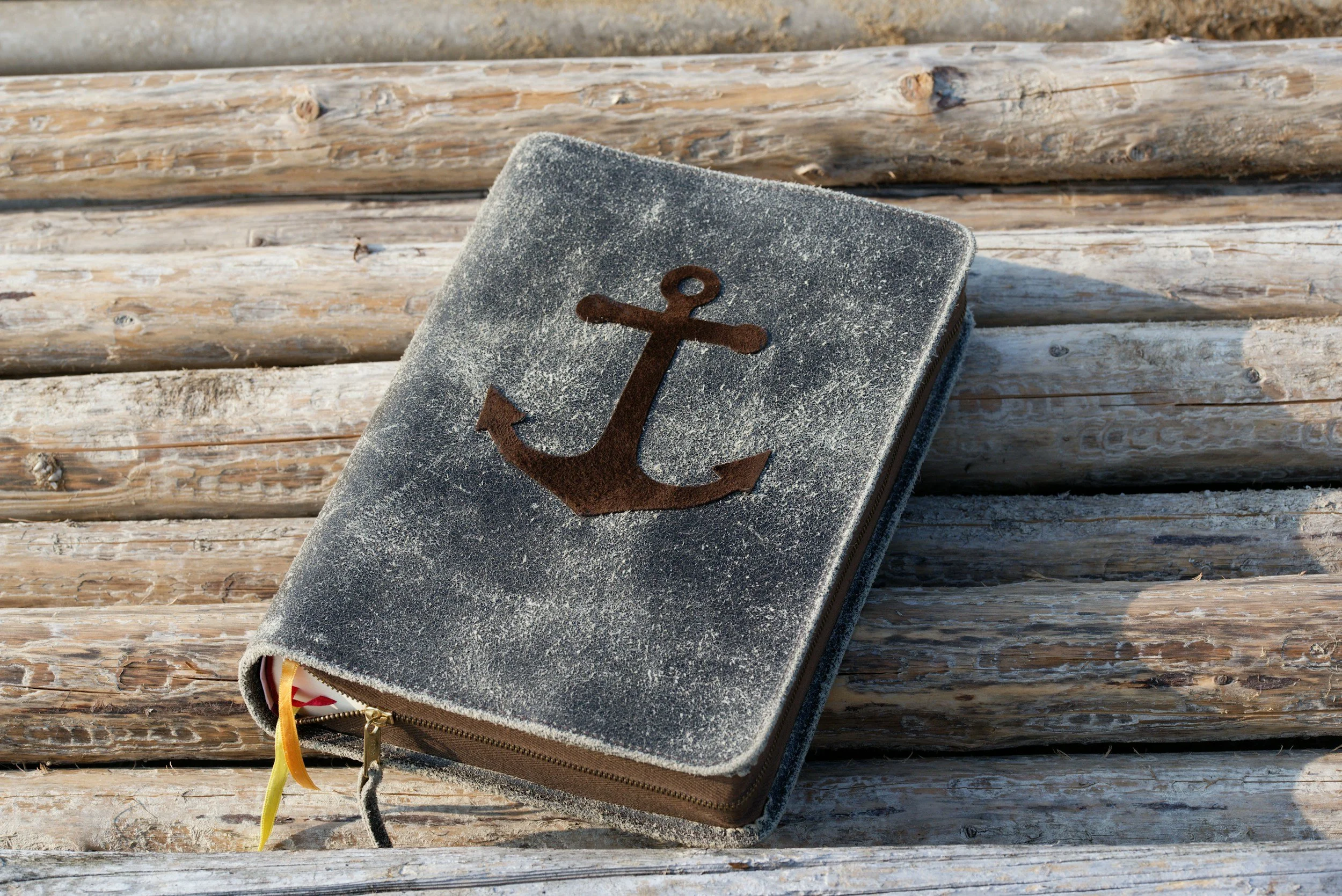
When life's storms arrive, an anchor reminds us to stay grounded and hold steady.
The anchor symbolizes:
Stability
Hope
Security
Strength
Perseverance
One Day at a Time
Perhaps no phrase is more recognized in recovery communities than "One Day at a Time."
Rather than focusing on tomorrow, next month, or next year, it encourages us to focus on the present moment.
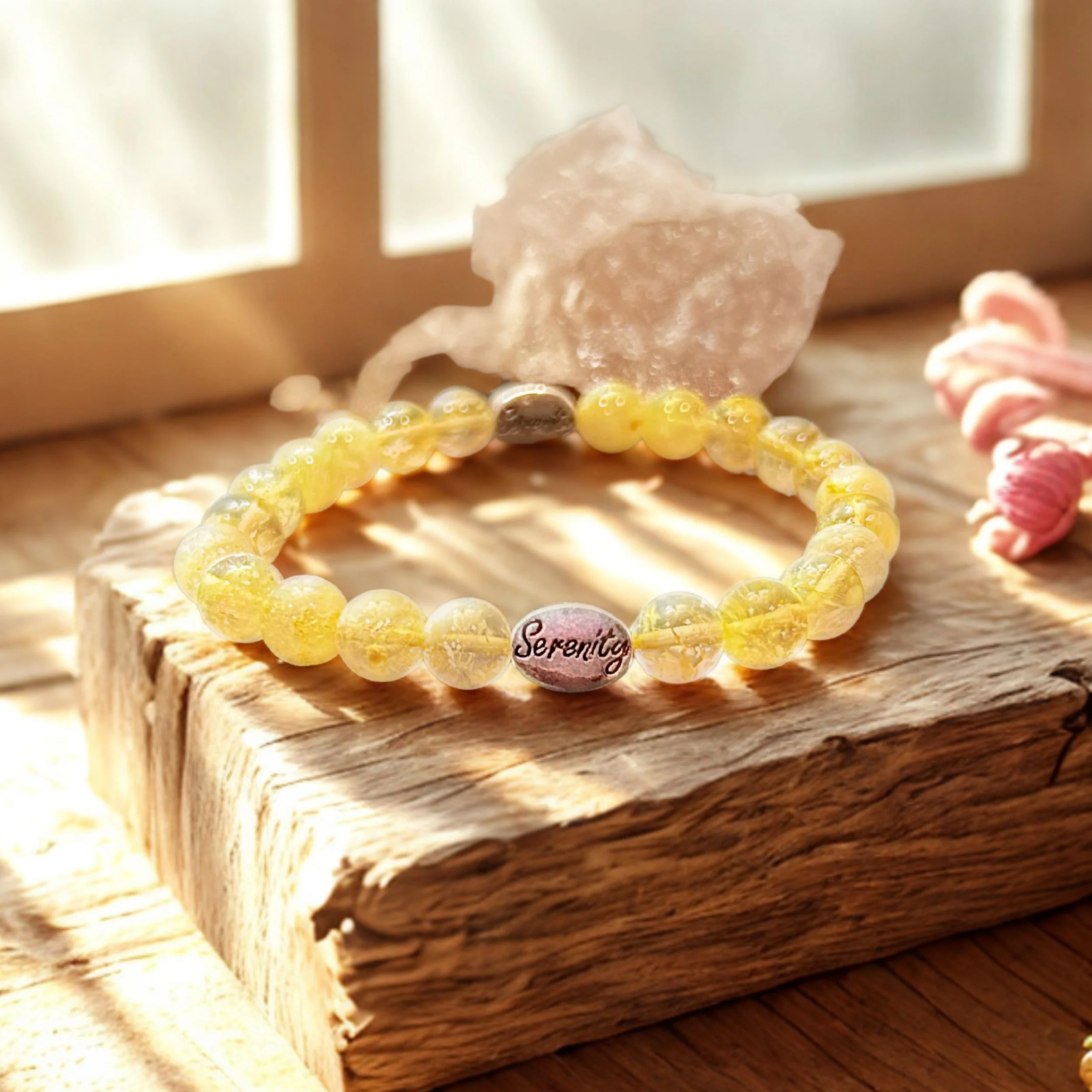
It symbolizes:
Daily progress
Patience
Presence
Commitment
Hope
NEDA Symbol
The NEDA symbol is commonly associated with eating disorder recovery and awareness.
It serves as a reminder that healing and recovery are possible.
It symbolizes:
Recovery
Self-acceptance
Healing
Awareness
Strength
Green Ribbon
The green ribbon is often associated with mental health awareness.
It reminds us that mental health matters and that support and healing are available.
It symbolizes:
Mental health awareness
Hope
Compassion
Support
Healing
Christian Fish (Ichthys)
For many individuals, faith is an important part of their recovery journey.
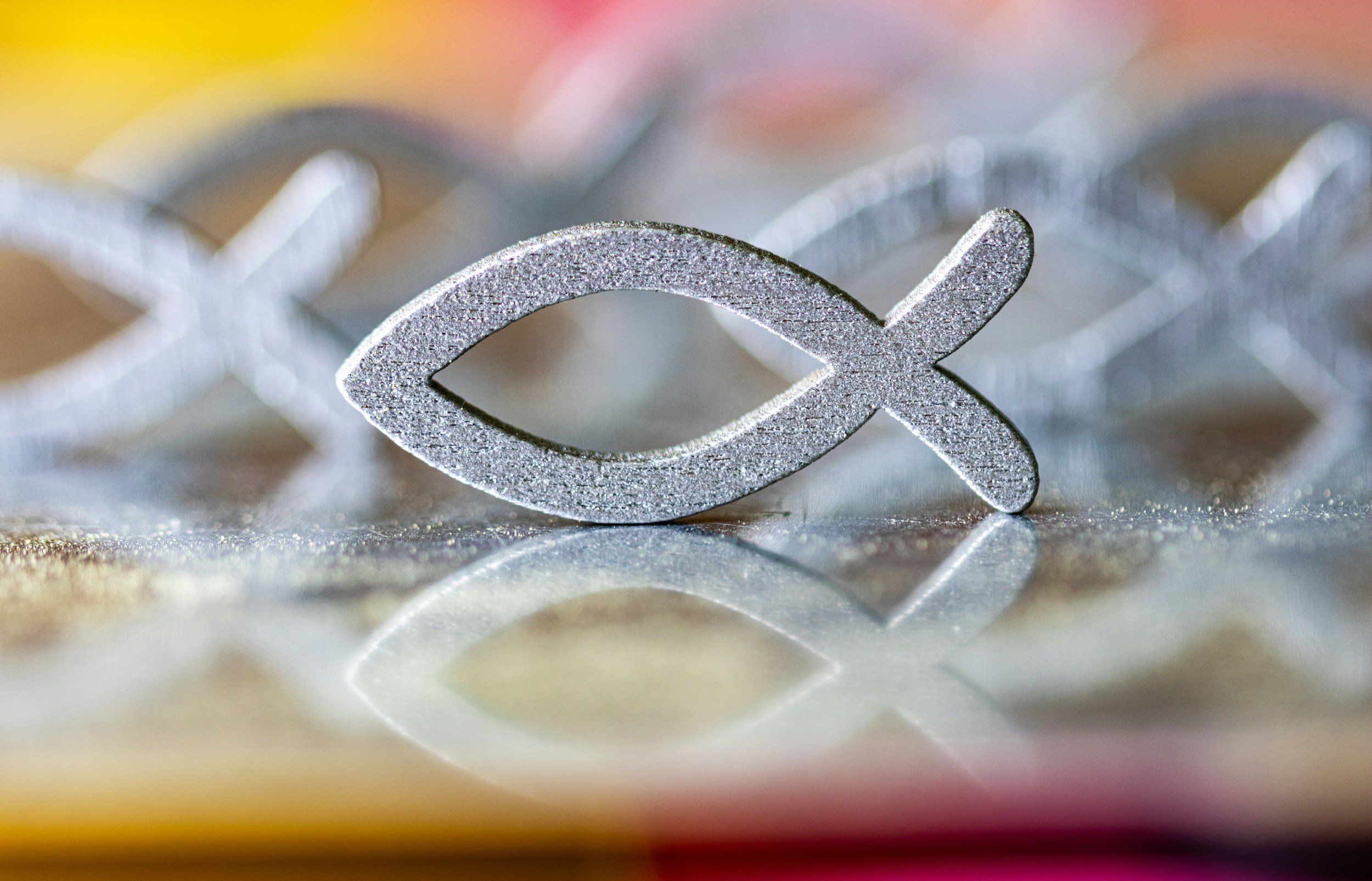
The Christian fish symbol often represents spiritual guidance, trust, and hope.
It symbolizes:
Faith
Guidance
Hope
Spiritual strength
Trust
Feathers and Birds
Birds and feathers are often associated with freedom, growth, and moving forward.

Many people see them as reminders that healing allows us to rise above past struggles and embrace new possibilities.
They symbolize:
Freedom
New beginnings
Hope
Growth
Personal transformation
Small Symbols, Big Meaning
One of the beautiful things about symbols is that they don't have to be large or obvious to be meaningful.
A small charm on a bracelet.
A sticker on a water bottle.
A piece of artwork hanging on a wall.
A phrase written inside a journal.
These simple reminders can help us stay connected to our goals, our values, and the progress we've made.
Recovery is not about perfection. It's about growth. It's about choosing to keep moving forward, even when the path isn't always easy.
Sometimes a small symbol can quietly remind us of that truth when we need it most.
Whether it's a butterfly, an anchor, a semicolon, or another meaningful symbol, these visual reminders can help us remember our strength, our resilience, and our incredible ability to heal, grow, and become the best versions of ourselves.
Disclaimer
The content provided in this article is intended for informational and entertainment purposes only and should not be considered medical, legal, financial, mental health, or professional advice. I am not a licensed healthcare provider, therapist, counselor, attorney, financial advisor, or other licensed professional.
Always seek guidance from qualified professionals regarding your specific situation, health concerns, recovery journey, or legal and financial matters.
Some links included throughout this website may direct you to products available for purchase through Hearthlight Studios. These products are shared because they align with the topics discussed and may help support the continued creation of content for this site.